Country Passport Rankings by Official Language


Difference Between the Rankings
Within-Language Ranking Ranks passports among countries that share the same official language.
Global Ranking Shows where those same passports rank worldwide.





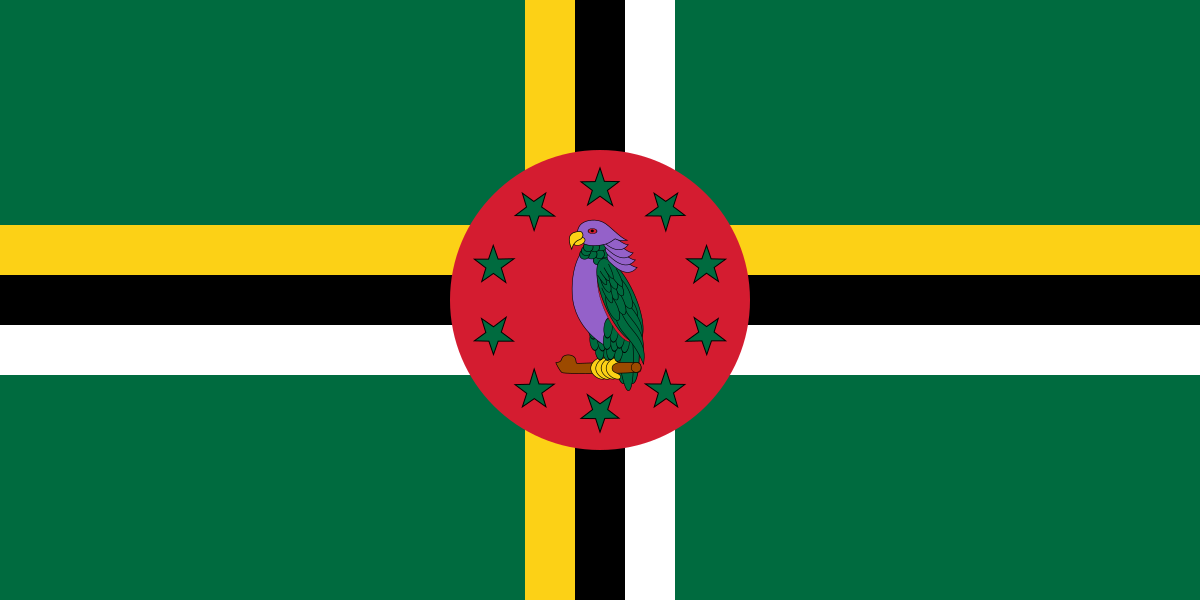
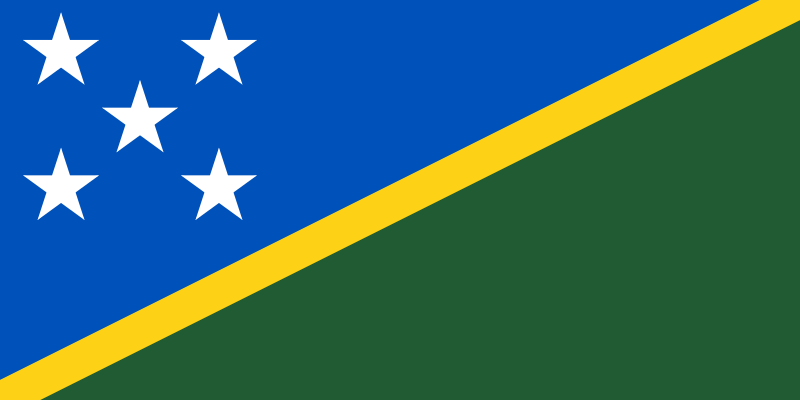
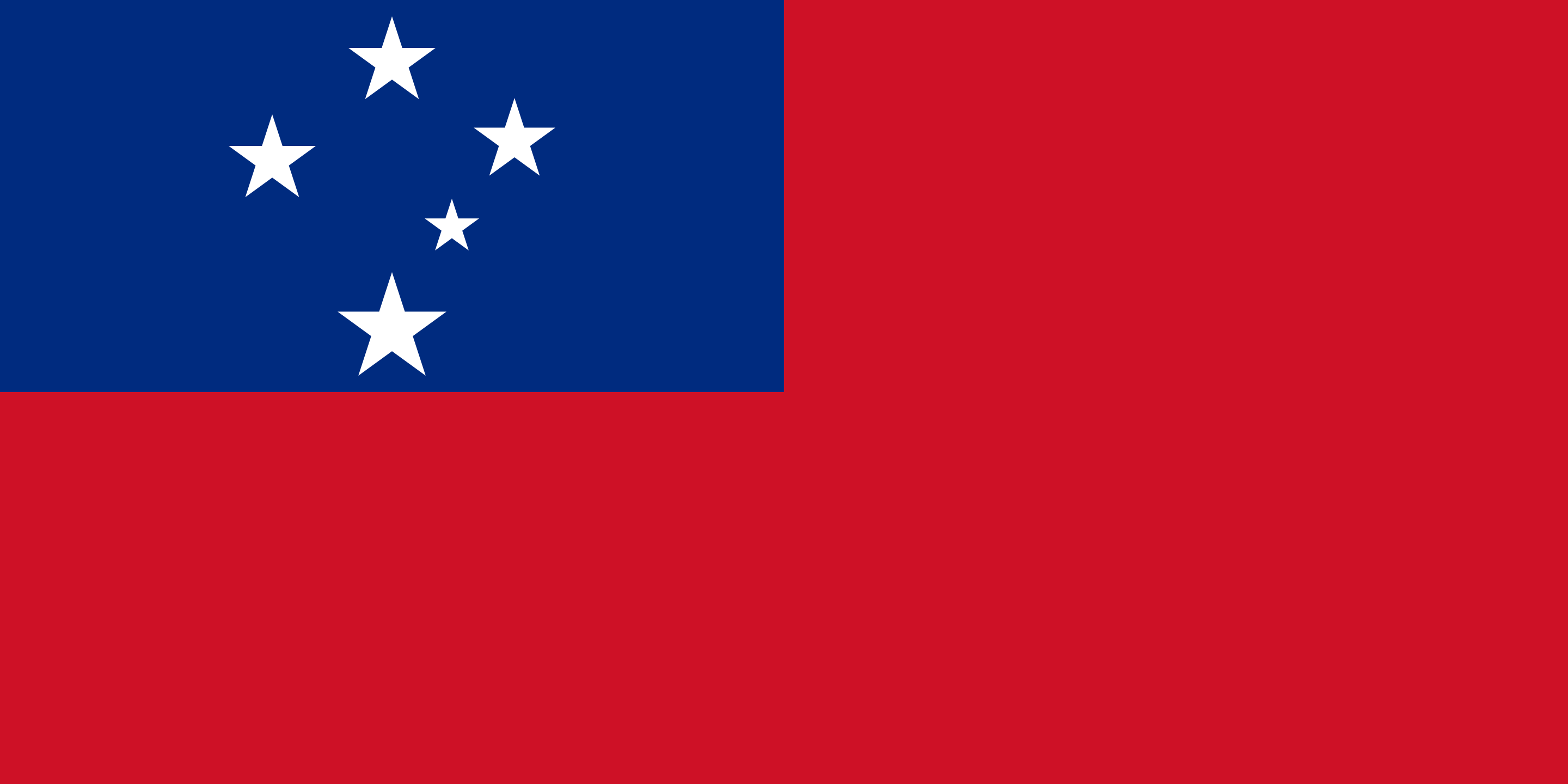
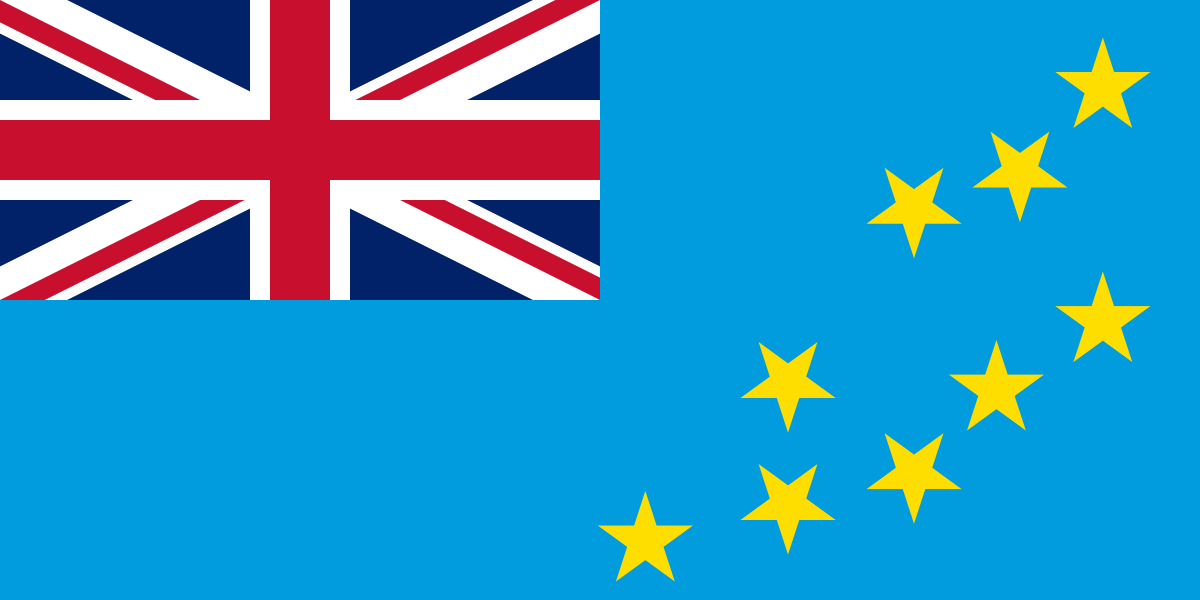





























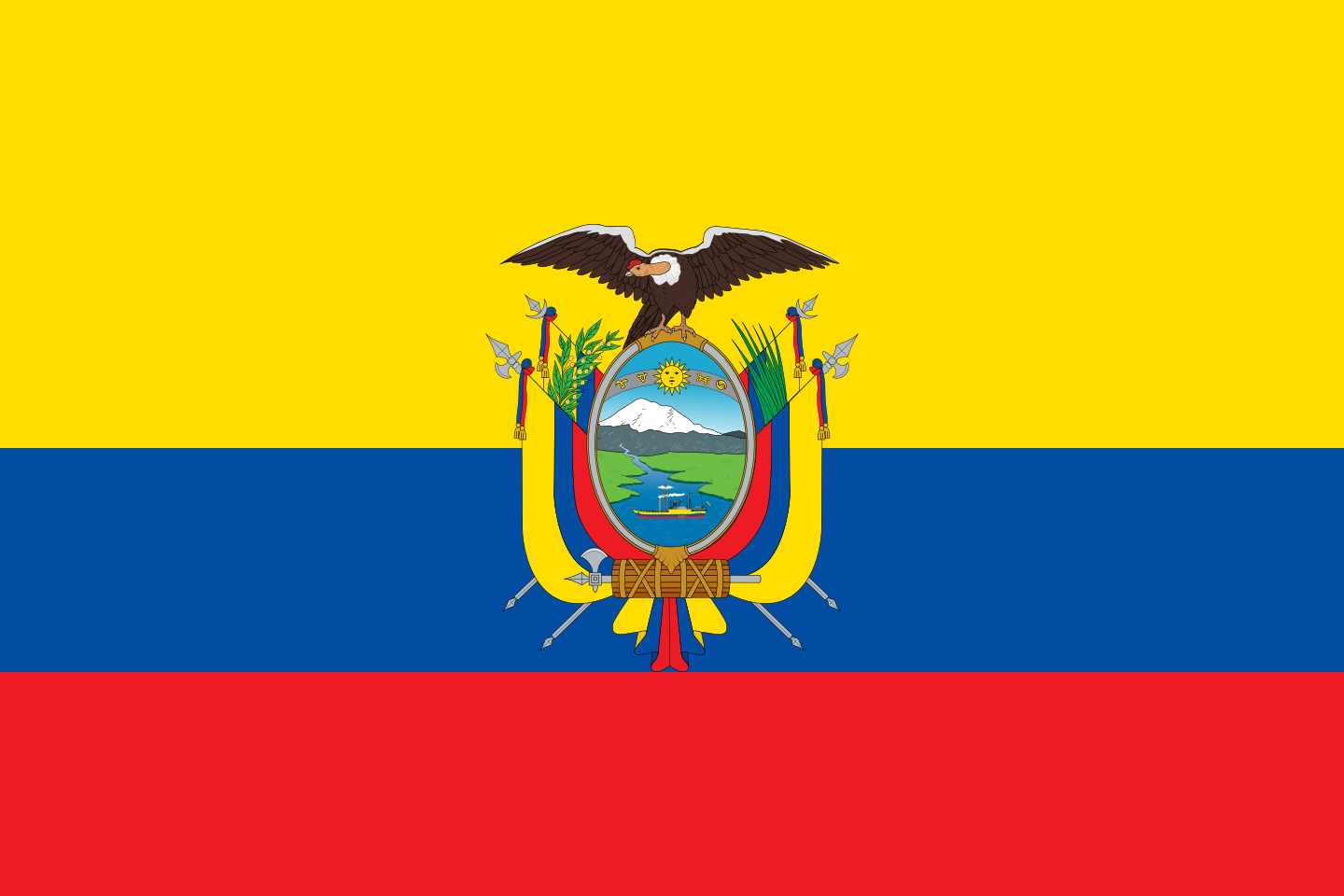
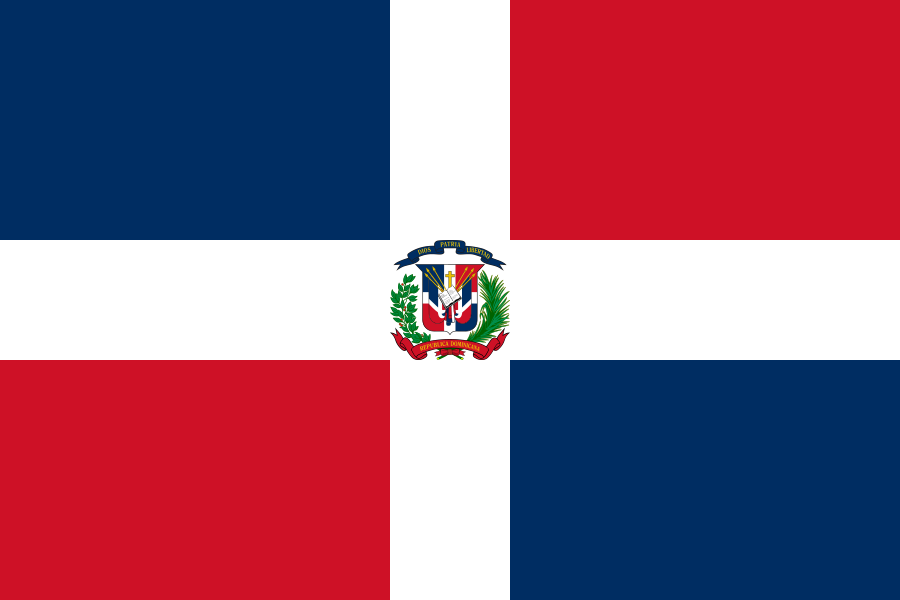
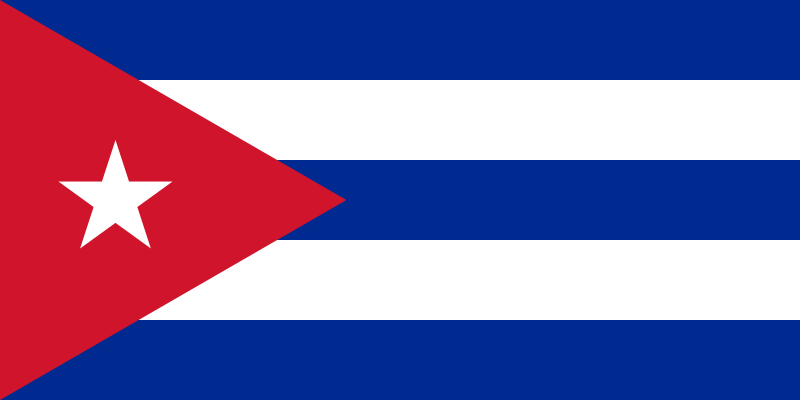














About Official Language Passport Ranking
Official languages serve as fundamental pillars of national identity, appearing in government proceedings, legal systems, and public education. They often reflect historical ties, cultural heritage, and the linguistic landscape of a country. In many nations, the choice of official language is a deliberate decision that influences unity and communication among diverse populations. These languages are not merely tools for daily interaction but also symbols of sovereignty and cohesion.
While some official languages are spoken across multiple countries due to colonial history or regional integration, others are unique to specific territories, reinforcing local culture and tradition. Multilingual nations may designate several languages for official use, acknowledging the linguistic diversity within their borders. This variety creates a complex tapestry where language groups overlap and interact on the global stage. The presence of a shared official language can facilitate diplomatic and economic ties among nations that otherwise differ in many aspects.
The language in which a country conducts its official business often shapes its international engagements, from trade negotiations to cultural exchanges. It also affects how citizens access information, participate in governance, and connect with the wider world. Recognizing these dynamics, the ranking by official language offers a lens into how linguistic commonalities and differences influence travel freedom and global mobility. Each language group carries its own historical narrative, contributing to the rich mosaic of international relations.