
Passport Rankings of Countries by Form of Government


Difference Between the Rankings
Form-of-Government Ranking Ranks passports among countries with the same form of government.
Global Ranking Shows where those same passports rank worldwide.


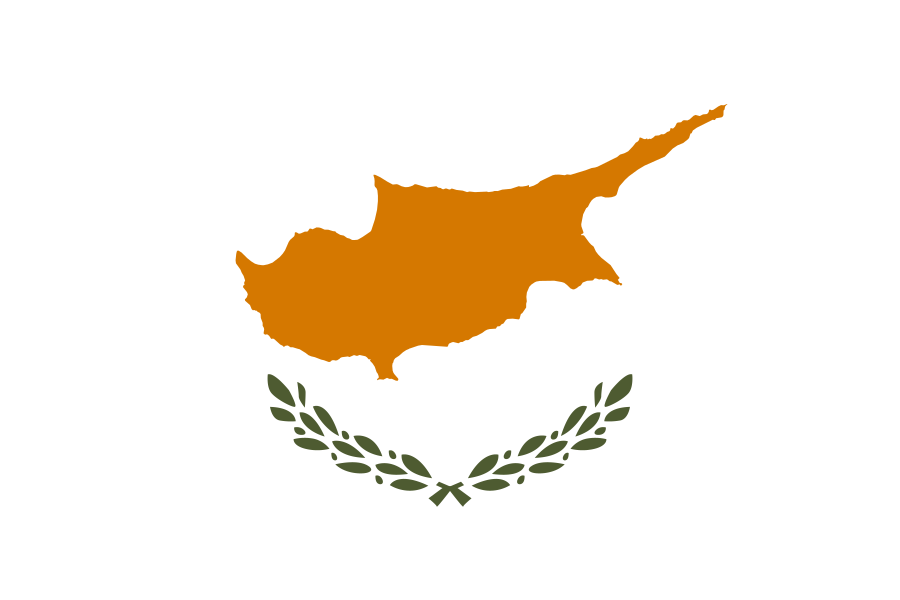

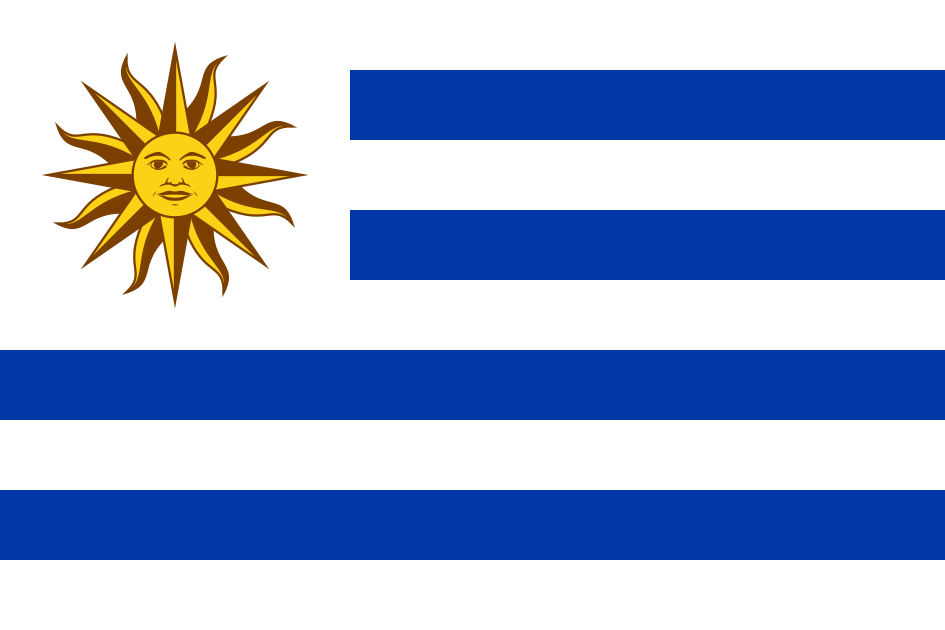

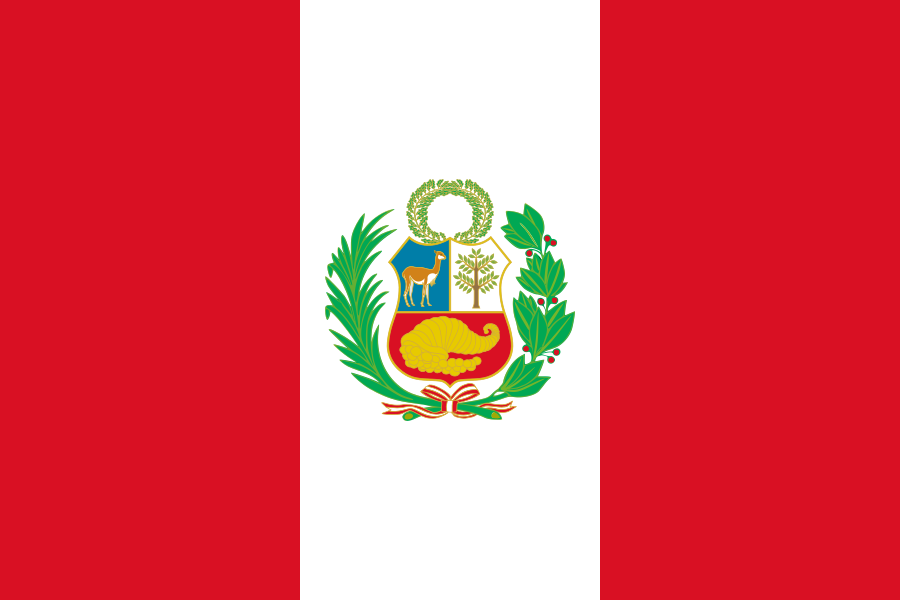
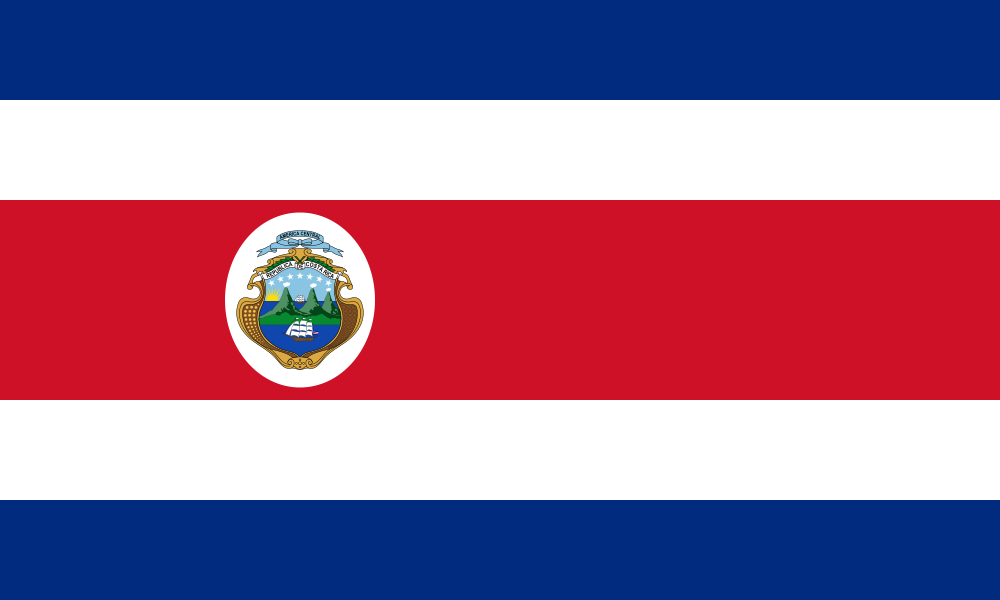




















































































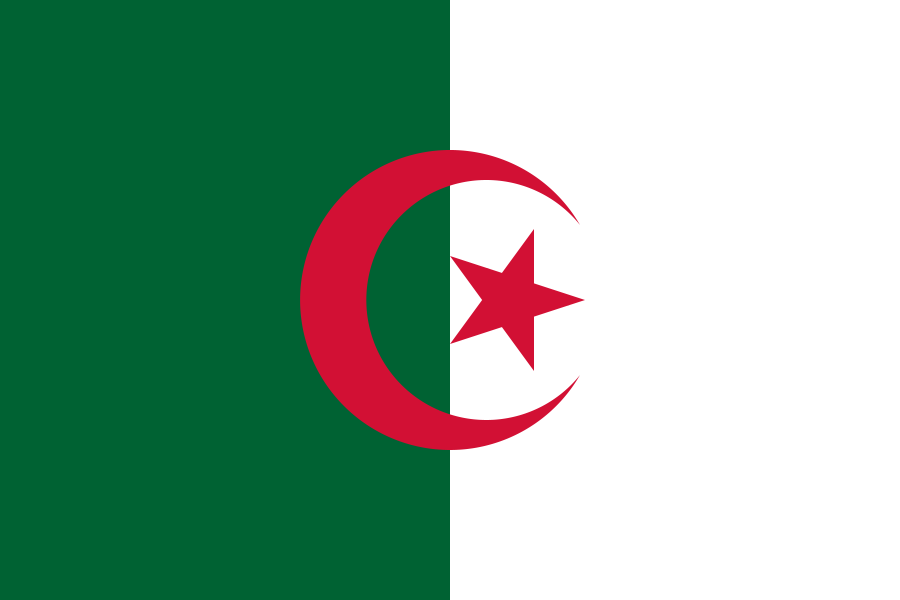



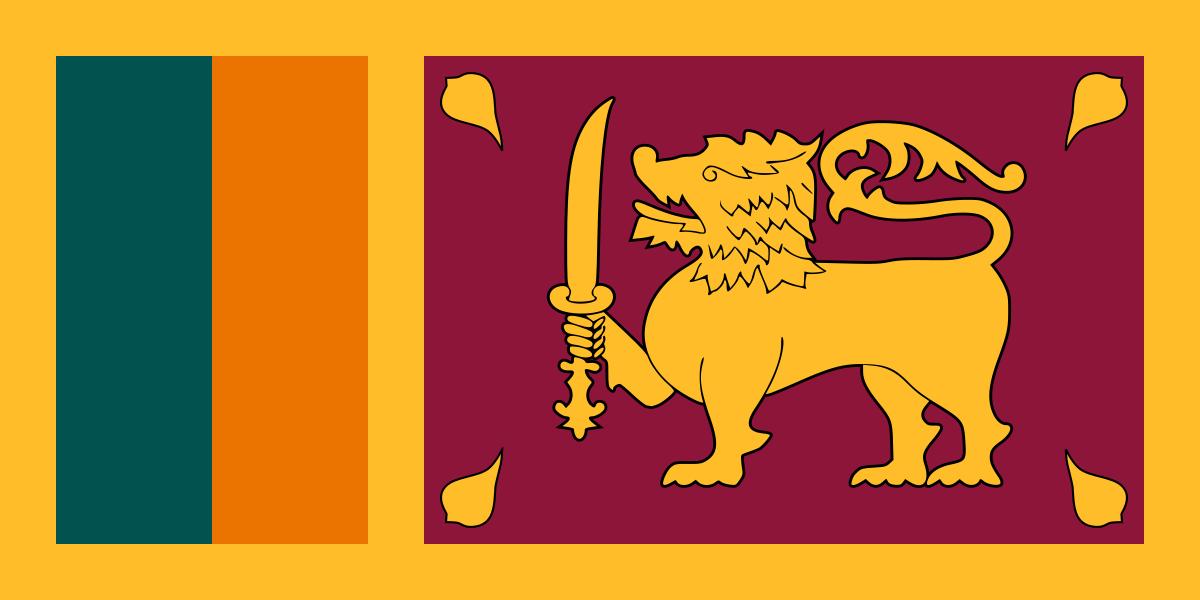







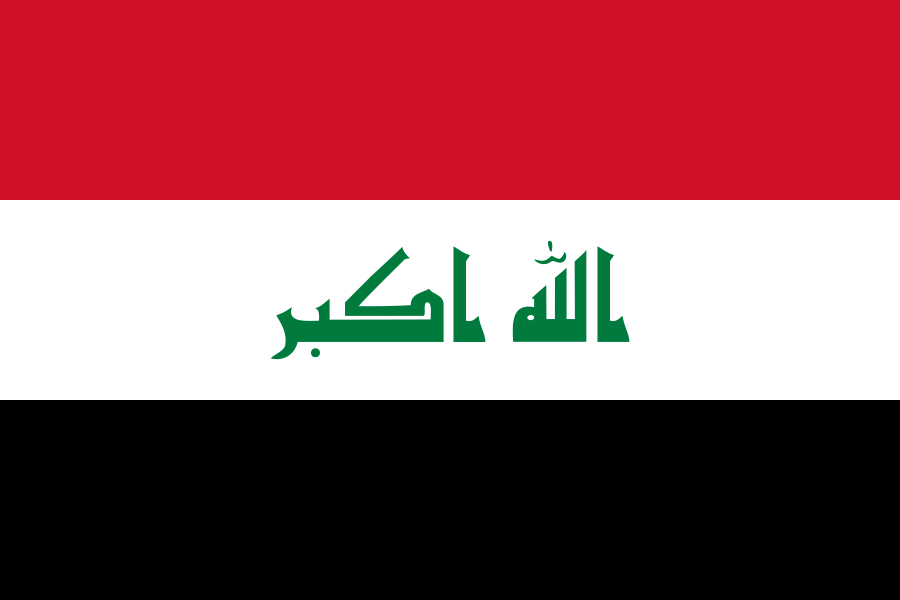

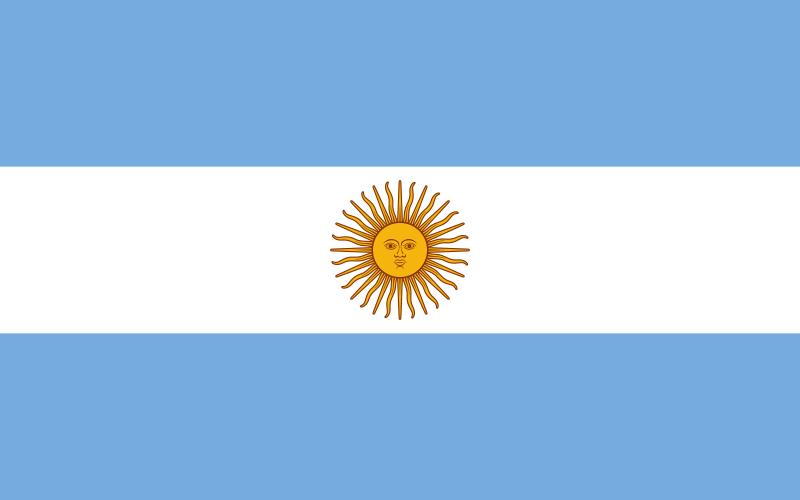




















About Government Form Passport Ranking
Classifying passports by the form of government offers a lens through which the administrative and decision-making structures of states can be understood. Government forms define how authority is distributed and how institutional processes shape state organization. Constitutional frameworks, such as federal or unitary systems, influence the consistency of governance and policy implementation. These categories serve as neutral descriptors rather than indicators of political merit.
Republics and constitutional monarchies represent two broad archetypes of government form, each with distinct institutional arrangements. Within republics, presidential and parliamentary systems allocate executive power differently, affecting legislative coordination. Constitutional monarchies combine a ceremonial head of state with an elected government, blending tradition with democratic processes. These structural distinctions highlight variations in how states organize their public administration.
The form of government can influence long-term policy coherence and institutional continuity across different administrations. States with stable constitutional frameworks often exhibit predictable governance patterns that support international interactions. While no single government form is inherently superior, each presents unique organizational characteristics. Understanding these categories helps contextualize the broader landscape of national administrative systems.